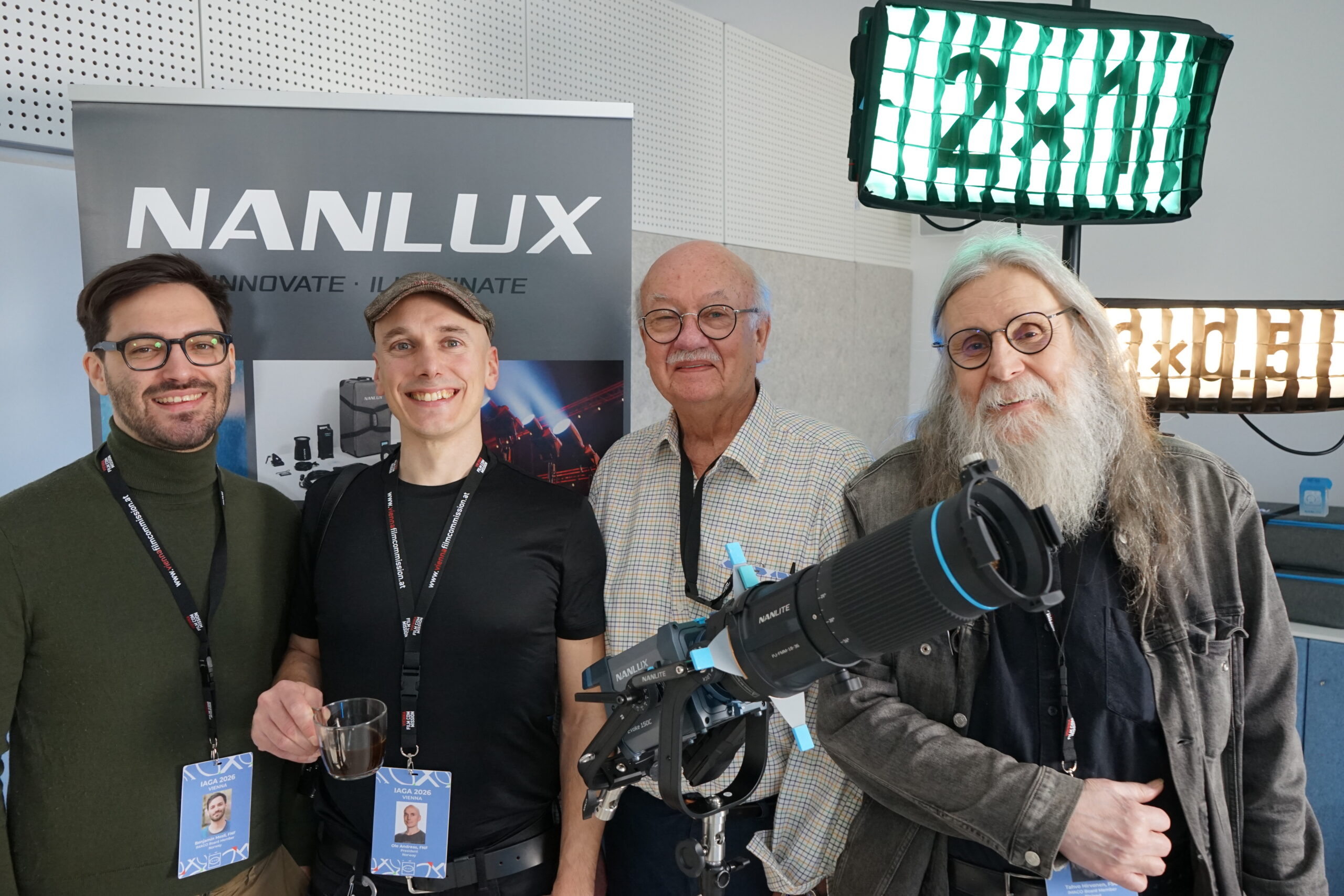

IMAGOs generalforsamling IAGA ble avholdt i Wien i forrige uke. FNF var representert ved styreleder Ole Andreas Grøntvedt, styremedlem Benjamin Mosli og Paul René Roestad som sitter i flere av IMAGOs komiteer. Roestad er tidligere president og generalsekretær i IMAGO. Det var 60 gjester fra hele verden tilstede i Østerrikes hovedstad. Europa var naturligvis godt representert, men også Latin-Amerika, Canada, Australia, New Zealand, Nigeria og Elfenbenskysten. IAGA sammenfalt med den østerrikske foreningens 50-årsjubileum. Vår svenske venn Lars Pettersson, FSF har skrevet dette referatet for oss.
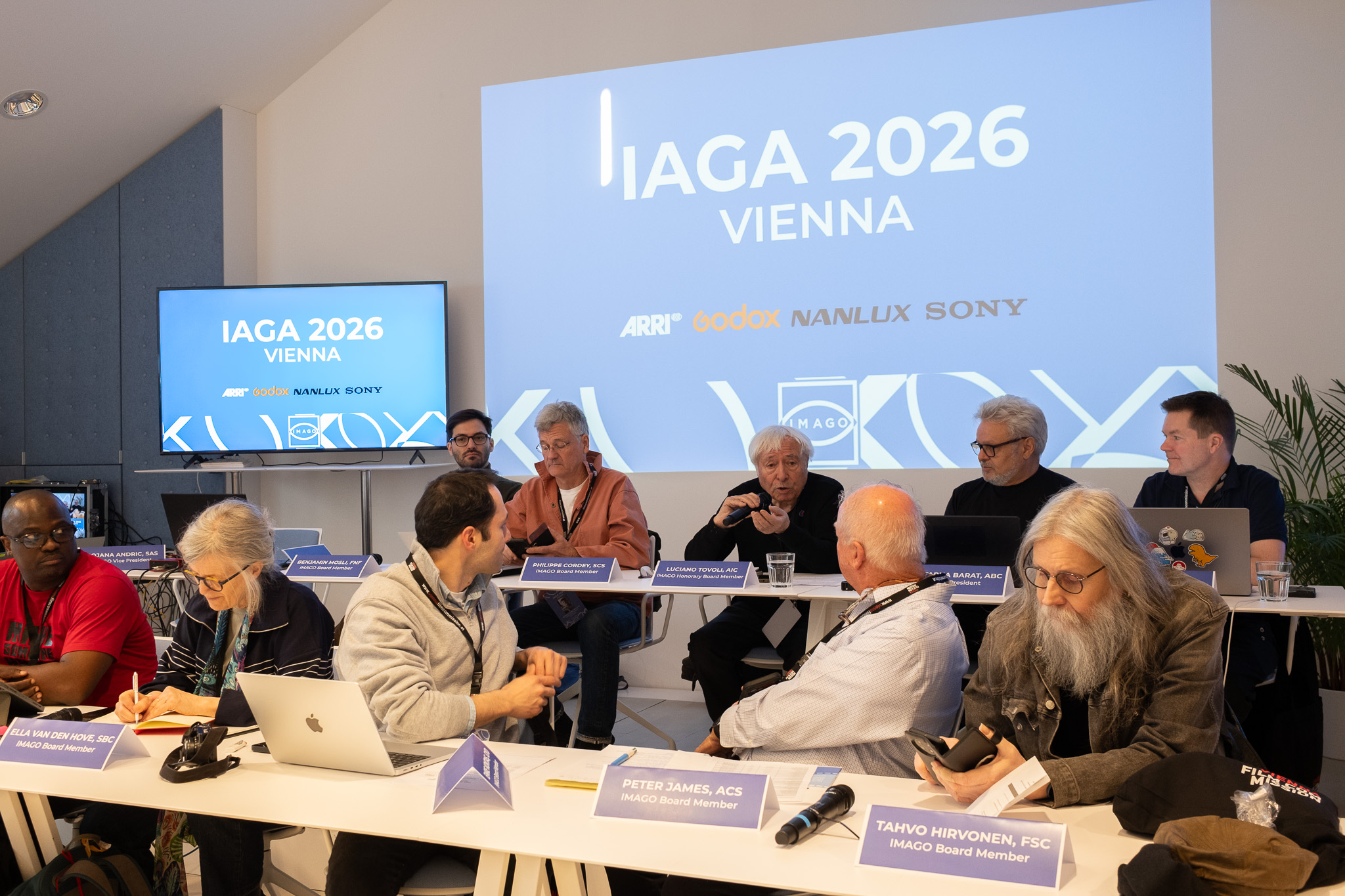
IMAGO recently held its annual meeting known as the IAGA, Wednesday 11th through Friday 13th of March, in Vienna. All participants were booked in the luxurious Hotel Josefshof am Rathaus, near the immense Burgtheather and just a stone’s throw from Löwelstrasse number 14, where the IAGA was held. A brief description of the conference must include the following; Wednesday morning IMAGO founder Luciano Tovoli AIC ASC opened the IAGA proceedings with a short heartfelt speech emphasizing friendship and curiosity, after which AAC President Astrid Heubrandtner and IMAGO President Mustapha Barat ABC officially welcomed everyone. The rest of the day concerned IMAGO business like voting and discussions regarding amendments to the statutes. Rounding off the Wednesday program was a Masterclass with Wolfgang Thaler AAC in which fascinating clips were shown from his documentaries. In the evening the Vienna Film Commission had arranged a guided Vienna Sightseeing tour by bus, winding up in a traditional Viennese Heuriger restaurant.
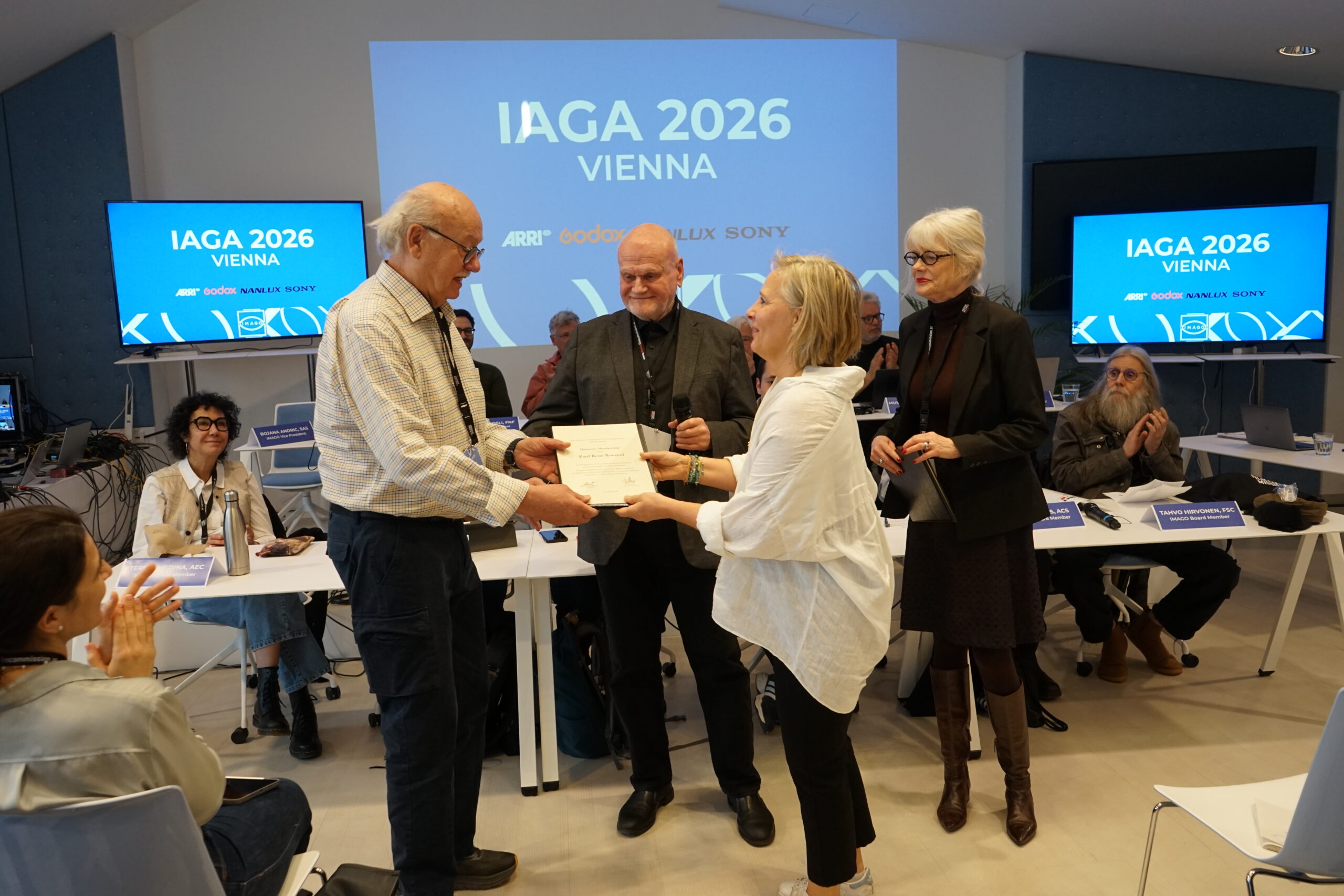
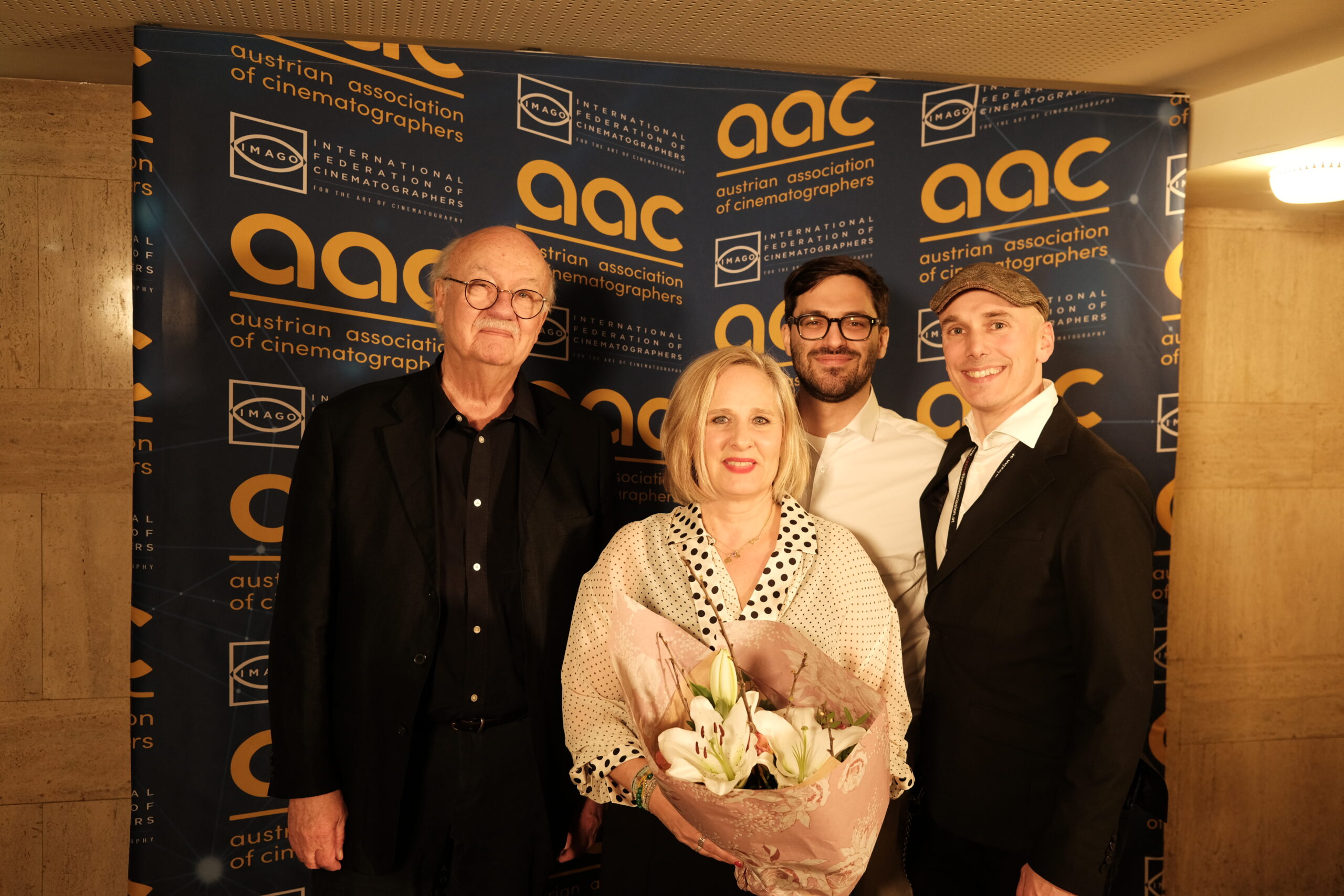
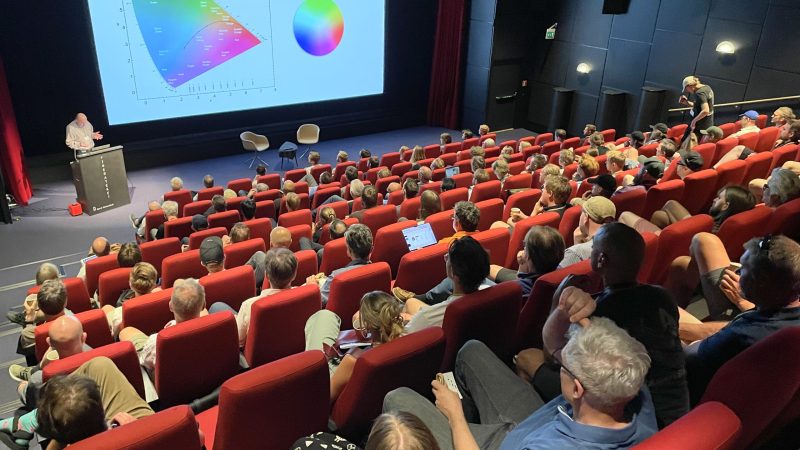
Definitely a highlight for the Norwegian delegation was, when during the opening of the IAGA, Paul René Roestad FNF and Dr Cristina Busch were asked by AAC President Astrid Heubrandtner to stand up and approach the podium to be awarded honorary membership in the AAC. They were met with thundering applause. Thursday began with Dr. Cristina Busch and Kurt Brazda AAC presenting the study “Behind The Lens – Working and Living Conditions of European Cinematographers”, prepared by the IMAGO Working Conditions Committee. IMAGO’s stalwart sponsors, like SONY, ARRI and Godox, then showcased their latest products in a series of presentations. Later that evening, the AAC’s 50th anniversary Celebration was held at the magnificent Gartenbau Kino, rounded out by the AAC Party, lasting until well after midnight. Friday began with the presentation” Who Owns Vision? – “Human vs. Machine” – Authorship under fire by AI” presented by Dr. Cristina Busch and Dr. Harald Karl and the last item on the program was Committee Discussions or Presentations, after which the 2026 IAGA was officially closed.
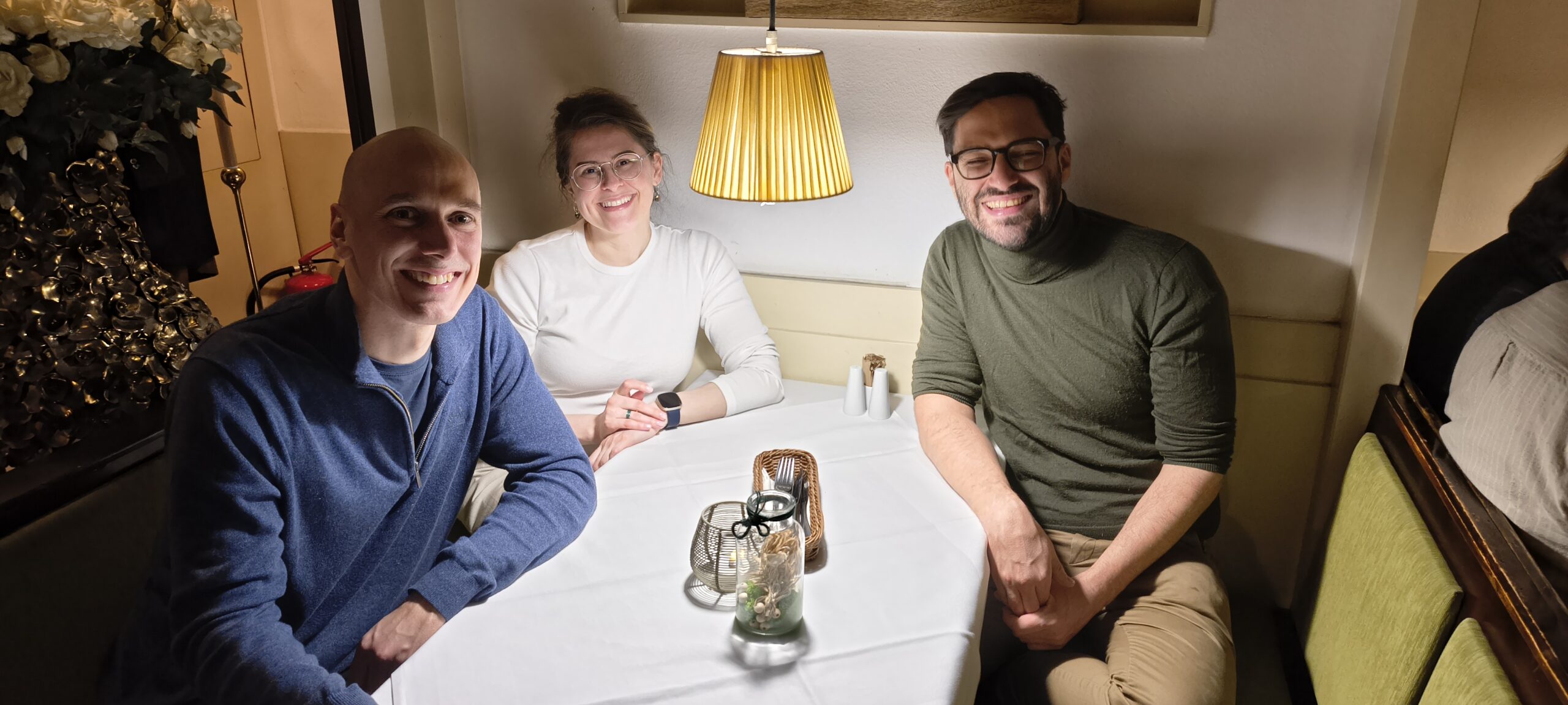
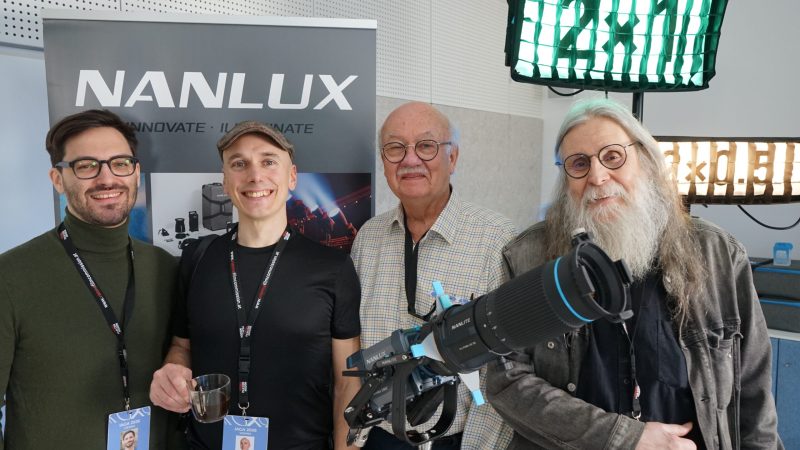
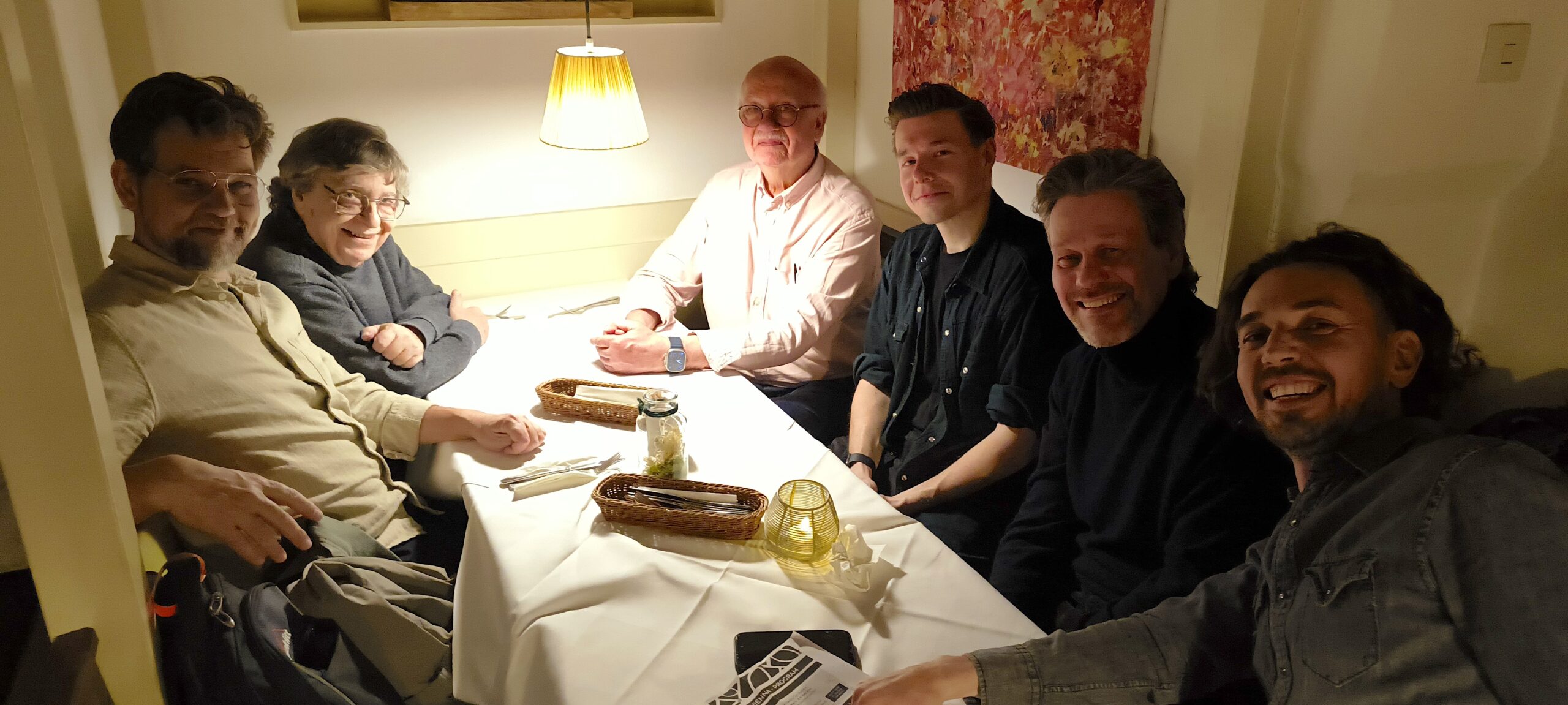
The Norwegian delegation arrived at Wien-Schwechat airport in the afternoon of Tuesday, March 10, and consisted of Paul René Roestad , Ole Andreas Grøntvedt and Benjamin Mosli, although Benjamin couldn’t really be said to be part of the Norwegian delegation as he is a member of the IMAGO board. Tuesday evening, hanging out in the lobby of Hotel Josefshof, it was decided to have dinner at the nearby Marienhof restaurant, where we were joined by Benjamin Mosli’s partner Asja Bosnic, Casper Høyberg DFF, Jan Weincke DFF, Jarmo Kiuru FSC, as well as Tomas Orn Tomasson IKS and Djordje Arambasic SAS. A wonderful meal of typical Viennese cuisine was enjoyed by all involved.
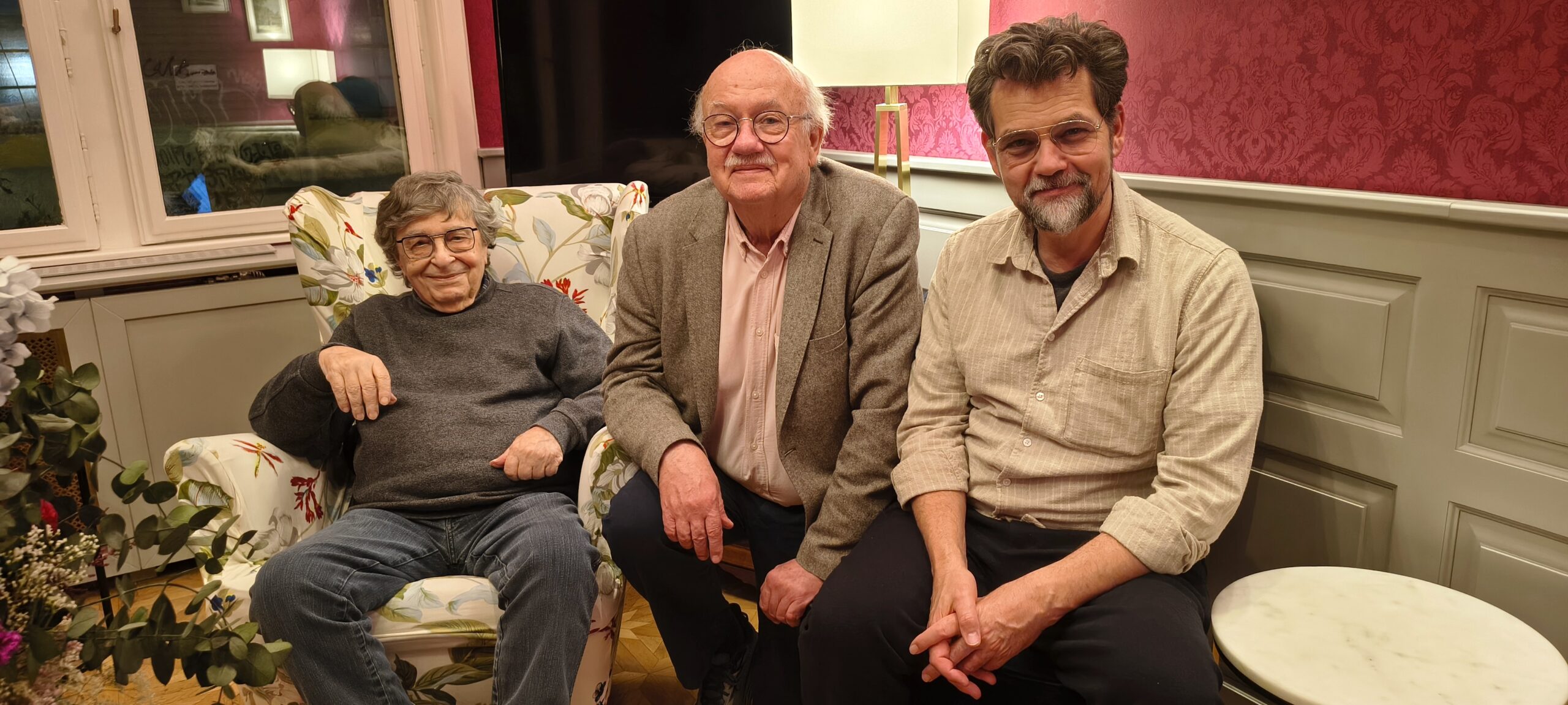
Returning from Marienhof restaurant, we sit down for a while in an extremely comfortable room, adjacent to the Hotel lobby. This space is decked out almost as if it were somebody’s living room, and furnished with very comfortable arm chairs. I turn to Paul René Roestad, what questions does he feel are important to highlight during this IAGA? ”Well I think IMAGO, in a way, is at a crossroads at this point in time,” Paul René explains. ”We will have to decide when is the proper time for a younger generation to take over, and also, thought must be given how IMAGO should be organized in terms of European interests and international interests. Northern European cinematographers have other aims and needs than their colleagues in, let’s say, America, and if we don’t handle that correctly, the interest for IMAGO in the European countries might diminish. And, conversely, if too much focus is put on working conditions and authorship issues, then perhaps the American interest will diminish.” So how does the Danish delegation feel about this? ”Well, I think it’s important to find out if we can somehow return to a North European community, including the Baltics,” Casper Høyberg reflects, ”so that we not only share the same values, but also the same way of communicating. Because we feel very strongly that IMAGO right now is suffering from megalomania -it’s simply too big. At the same time, we want IMAGO to be strong and influential.” ”And what kind of influence we want IMAGO to have, that’s not so difficult to answer,” Paul René chimes in, ”because if you look in the statutes, all the aims are right there in paragraph three. But unless more activity and energy from all parts of IMAGO can be mustered, not only from the board, then the aims are too big and too complicated to achieve. This problem of megalomania in IMAGO could be counterbalanced if we were to have a European section of IMAGO, and a Nordic section and an Asian section perhaps. Because the interests of IMAGO’s members are very diverse. So, as Casper was suggesting, we should perhaps have different umbrellas within imago’s big umbrella.”
I suggest an analogy, that this is in a way similar to if you have a really large multinational company, it would treat products differently in Asia, or Scandinavia, or other markets. They wouldn’t have exactly the same products everywhere. Jan Weincke has been silent through all this, and I’m curious about his feelings, reminding him that he’s done great things in Vienna before, when he and Astrid and Ron Johanson ACS put on a big masterclass about seven years ago. ”Yes, we’ve done several masterclasses,” Jan smiles. ”We’ve done two in Copenhagen, two in Vienna, and one in Amsterdam. But that was when IMAGO was still only European. And I think IMAGO has simply grown too big now, trying to achieve things on a global scale, in my opinion, is simply too much. I think Paul René’s idea of having one umbrella for South America, one for Europe, one for Scandinavia, and then have all these umbrellas together in one IMAGO, which could be the whole world, then each group will understand each other much better. And looking at IMAGO’s committees, then probably the only two committees which would work on a global scale would be the Technical Committee and the Masterclass Committee.” ”And the Working Conditions Committee and the Authorship Committee should probably only have Northern European members,” Paul René continues. ”It wouldn’t make sense to have a lot of North or South American people on a Working Conditions Committee because they simply don’t care about those matters. If I start talking about rights to a cinematographer from Brazil, he would look at me and say, what are you talking about?” Another very important matter Casper points out is what will be discussed on day three here at the IAGA, namely, the issue of AI versus cinematographers’ rights. ”Everybody talks about it and nobody knows what to do about it,” Casper relates. ”And I think the idea was put forward by some people during the ODCC last year in Oslo, that one way to protect our rights as Scandinavian cinematographers would be for us to make a counter-harvest so that our cinematographers’ images cannot be copied by a machine.”
Lars Pettersson FSF